Gene Synthesis Service
Chapter 1 – from standard genes to 200 kb constructs, with NGS- and Sanger-verified sequence accuracy.
Gene Synthesis Service
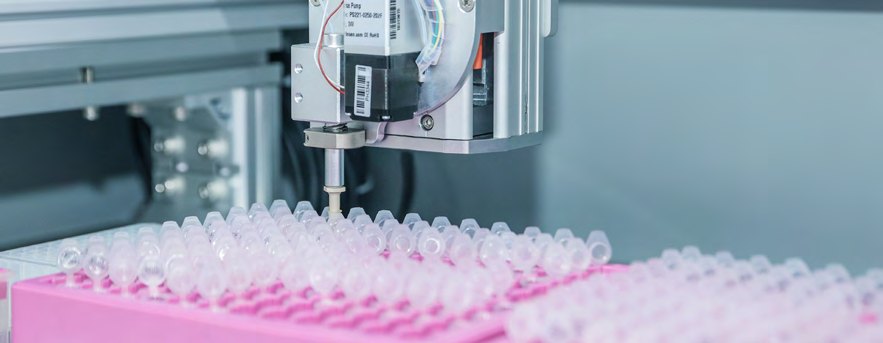
Chapter 1 · OverviewWe have established an autonomous, automated Gene Factory synthesis platform, equipped with advanced Tsynth™ synthesis technology. Based on our ELIXTECH, we integrate synthetic materials, synthetic equipment and synthesis processes across the gene synthesis workflow, achieving a highly intelligent production system.
By continuously researching and upgrading our synthesizers and synthetic materials for oligo production, our gene factory ensures the production of highly accurate oligos. This, in turn, guarantees stable and efficient gene synthesis with timely delivery. The plasmids we construct undergo NGS and Sanger sequencing validation to ensure 100% sequence accuracy.
images/biosynthesis/gene-synthesis-overview.jpgServices at a glance
| Service | Key specifications |
|---|---|
| Standard Gene Synthesis |
|
| ProLongGene |
|
| DNA Fragment |
|
| Single-stranded DNA (ssDNA) |
|
Standard Gene Synthesis
Gene SynthesisCompared to conventional molecular cloning methods, gene synthesis saves time and effort in obtaining target genes. Our standard gene synthesis service offers personalized synthesis plans and services tailored to different lengths and application requirements. Simply provide the DNA sequence you need to synthesize, and we assure prompt delivery of the ideal plasmid containing your target gene.
images/biosynthesis/standard-gene-synthesis.jpgWorkflow
Service Details
| Length | Turnaround time (calendar days)* | Vector |
|---|---|---|
| < 1.5 kb | 5–8 | Any vector; if not specified otherwise, default to using pUC57. |
| 1.5 kb – 3 kb | 7–11 | |
| 3 kb – 6 kb | 10–15 | |
| 6 kb – 8 kb | 15–22 | |
| > 8 kb | Evaluation |
Deliverables
- 1 tube of lyophilized plasmid DNA (about 1–4 μg/tube);
- QC files: Sequencing map (.ab1 file); Target sequence (.seq file); COA Report (electronic);
- Additional identification by restriction endonuclease digestion is available (please specify your request before placing your order).
Value Added Services
- Gene cloning: We can clone sequences into any vector, offering over 160 common commercial vectors free of charge.
- Plasmid preparation: Our services extend from microgram to gram-scale plasmid DNA preparation, catering to scientific research as well as industrial requirements.
ProLongGene
Gene Synthesis · up to 200 kbWe focus on advancing long-fragment synthesis and assembly technologies. In gene synthesis, where chemical methods limit lengths to 200 nucleotides, we excel in achieving kilobase- to megabase-level genes, even entire genomes, through advanced in vitro assembly technologies. With extensive expertise and ongoing innovation, we have surpassed the usual boundaries of gene synthesis.
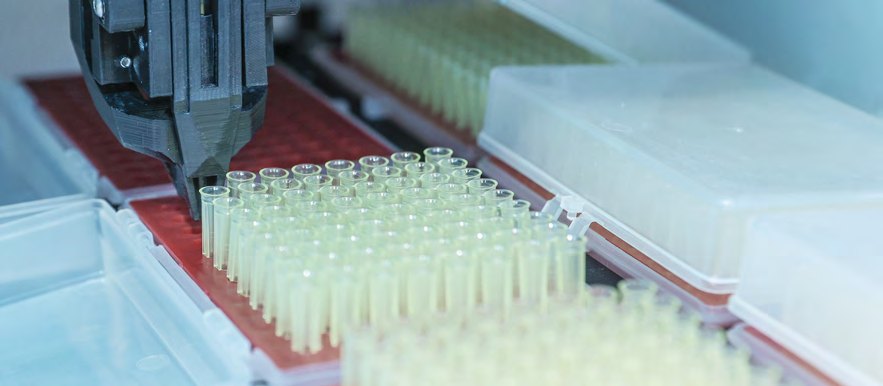
Our breakthroughs include mastering yeast assembly for multiple segments and large fragments, enabling precise and efficient one-step assembly of DNA fragments in Saccharomyces cerevisiae. We proficiently produce industrial-scale 50 kb large-fragment DNA, and can deliver fragments of up to 200 kb.
images/biosynthesis/prolonggene.jpg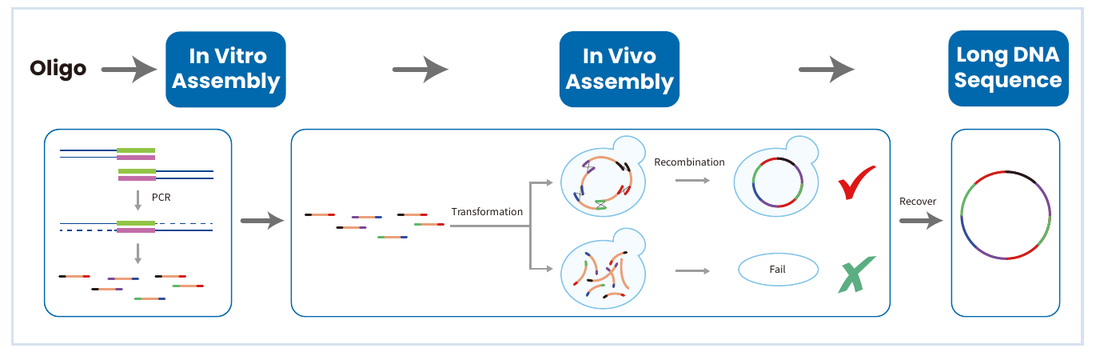
Service Details
| Length | Turnaround time (calendar days) | Vector |
|---|---|---|
| > 10 kb | Evaluation | pCC1413 |
Deliverables
- 1 tube of lyophilized plasmid DNA (about 1–4 μg/tube);
- QC files: Sequencing map (.ab1 file); Target sequence (.seq file); COA Report (electronic);
Application
- Genome synthesis.
- Gene storage.
- Microbial strain modification (primarily used for microbial cells).
- Metabolic engineering (used for host cells).
- Stem cell therapy.
DNA Fragment
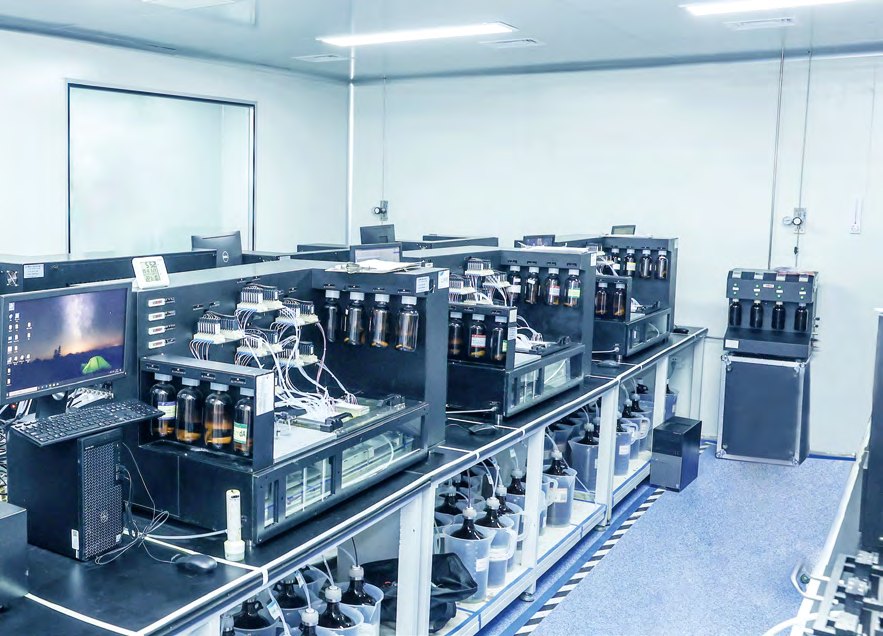
Gene Synthesis · 100 bp – 1.2 kbThe DNA Fragment service provides double-stranded DNA fragments with lengths of up to 1,200 base pairs. It caters to the requirements of straightforward gene construction or modification, empowering you to accelerate your research and development activities in applications such as antibody development, CRISPR-mediated genome editing and NGS controls.
images/biosynthesis/dna-fragment.jpgService Details
| Length | Turnaround time (calendar days) |
|---|---|
| 100 bp – 1.2 kb | 2–3 |
Deliverables
- 1 tube of lyophilized DNA (about 500 ng/tube);
- QC files: COA Report (electronic);
- Additional identification by Sanger sequencing is available (please specify your request before placing your order).
Application
- Gene cloning: Insert specific DNA sequences into a target vector for expression.
- Molecular labeling: Employed as molecular labels, for instance in Southern, Northern and Western blot experiments.
- Gene mutation research: By introducing specific DNA fragments, gene knock-in, knock-out or mutation studies can be conducted to understand gene functions.
- Molecular diagnosis: Detecting the presence or absence of specific genes through PCR.
- Genome editing: CRISPR-Cas9 genome editing and modification.
Single-stranded DNA (ssDNA)
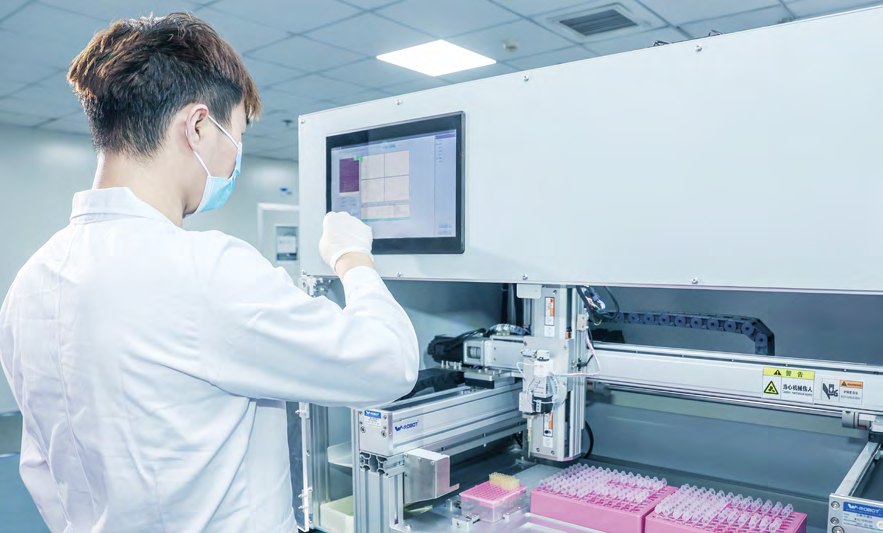
Gene Synthesis · 100 – 6000 ntRecent research highlights the effectiveness of single-stranded DNA (ssDNA) as a homology-directed repair donor template in CRISPR gene editing. Compared to double-stranded DNA (dsDNA), using ssDNA as a template for homologous recombination achieves a 9-fold higher CRISPR/Cas9 gene knock-in efficiency, and ssDNA is versatile in various biological reactions, especially in DNA nanotechnology.
We now provide top-notch, sequence-validated ssDNA to enhance the efficiency of your CRISPR experiments.
images/biosynthesis/single-stranded-dna.jpgService Details
| Length (nt) | Turnaround time (business days) |
|---|---|
| 101–240 | 10 |
| 241–1000 | 15 |
| 1001–3000 | 22 |
| 3001–4000 | 28 |
| 4001–5000 | 32 |
| > 5000 | Evaluation |
Deliverables
- Lyophilized product powder;
- QC files: Sequencing map (.ab1 file); Target sequence (.seq file); COA Report (electronic).
Application
In CRISPR and CRISPR-Cas9 genome editing experiments, long ssDNA serves as a potent donor template, enhancing both insertion and gene replacement efficiency. Its applications extend to single-strand conformation polymorphism, in vitro transcription studies, nuclease S1 mapping, probe preparation, labeling and differential hybridization.
Beyond experiments, ssDNA plays a role in DNA nanotechnology, serving as a scaffold for drug delivery, molecular diagnostics, DNA-based data storage and diverse nanoscale applications. With a lower risk of random integration, ssDNA is particularly suitable for gene editing in primary cells, stem cells, and the creation of genetically modified animal models.
Gene Cloning Service
Chapter 2 – PCR cloning, subcloning and site-directed mutagenesis in any vector, at any site.
Cloning Service
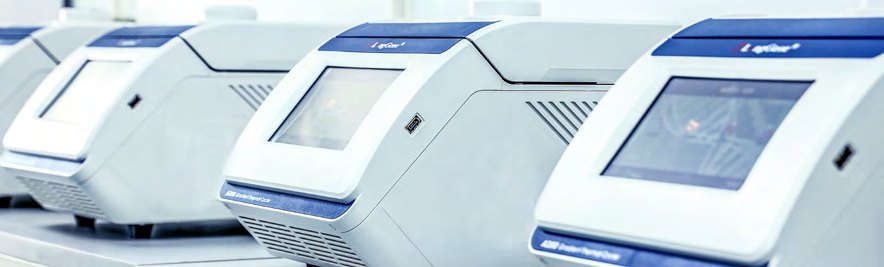
Chapter 2 · OverviewPCR (polymerase chain reaction) cloning and subcloning are techniques commonly used in molecular biology to amplify and manipulate DNA fragments for various purposes, including gene cloning, sequencing and functional analysis. Site-directed mutagenesis is a powerful tool to efficiently enhance the expression, traits and characterization of the targeted protein.
We offer a comprehensive service encompassing gene synthesis, vector construction and cloning. This integrated approach ensures heightened efficiency throughout the entire process.
images/biosynthesis/cloning-service-overview.jpgServices at a glance
| Service | Key specifications |
|---|---|
| PCR Cloning & Subcloning |
|
| Mutagenesis |
|
PCR Cloning & Subcloning
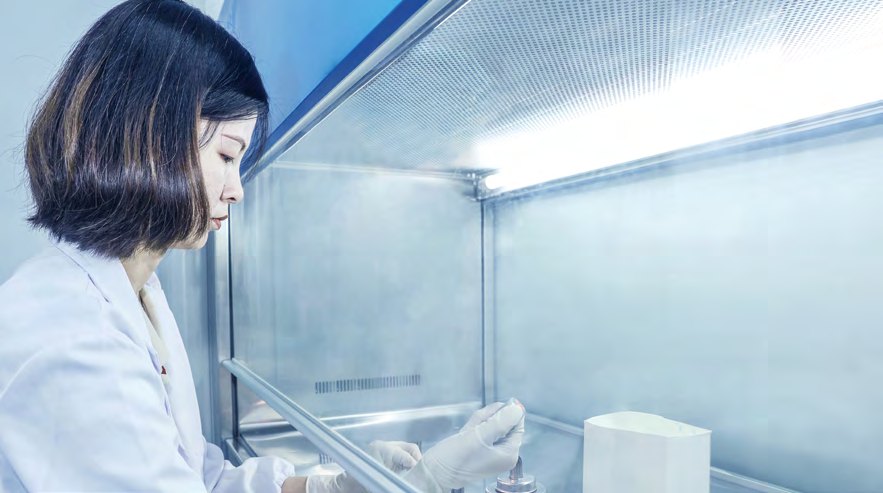
Gene CloningPCR cloning and subcloning are common molecular biology techniques for amplifying and manipulating DNA fragments, including gene cloning, sequencing and functional analysis. PCR cloning uses the polymerase chain reaction to amplify a specific DNA fragment without requiring specific restriction enzyme sites. Subcloning involves transferring a DNA fragment from one vector to another.
We offer a one-stop service ranging from gene synthesis and vector construction to cloning and subcloning. Our advanced technology and extensive experience ensure high-quality cloning services.
images/biosynthesis/pcr-cloning-subcloning.jpgService Details
| Length | Turnaround time (calendar days) |
|---|---|
| < 1.5 kb | 7–10 |
| 1.5 kb – 3 kb | 7–11 |
| 3 kb – 6 kb | 10–15 |
| 6 kb – 8 kb | 13–18 |
| > 8 kb | Evaluation |
Deliverables
- 1 tube of lyophilized plasmid DNA (about 1–4 μg/tube);
- QC files: Sequencing map (.ab1 file); Target sequence (.seq file); COA Report (electronic);
Application
- Introduction of mutations.
- Gene library construction.
- DNA labeling.
- Gene construction for protein expression.
Mutagenesis
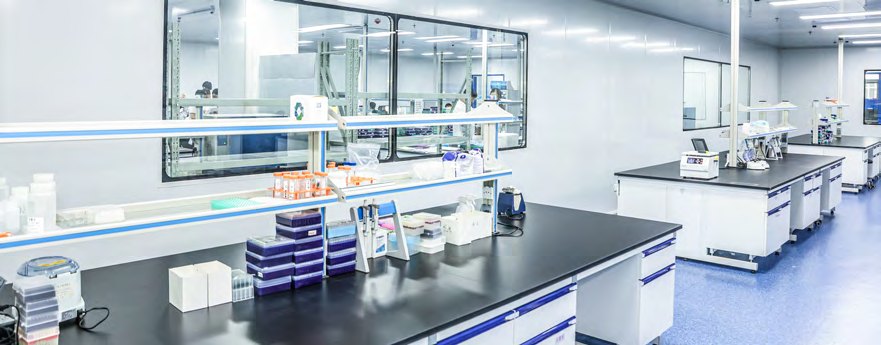
Gene CloningSite-directed mutagenesis, a molecular biology technique, can deliberately introduce precise changes or mutations into a specific DNA sequence, including base insertions, deletions and point mutations. The technology is now extensively employed in the investigation of protein functional-site structures, optimization of enzyme activity, understanding of DNA component functions and interactions, as well as in gene therapy and other research areas.
We provide specialized and cost-effective site-directed mutagenesis services, precisely introducing your required mutations for any gene template and any target number of mutations, improving experimental efficiency and cost-effectiveness for your research.
images/biosynthesis/mutagenesis.jpgService Details
| Length | Turnaround time (calendar days) |
|---|---|
| < 1.5 kb | 7–10 |
| 1.5 kb – 3 kb | 7–11 |
| 3 kb – 6 kb | 10–15 |
| 6 kb – 8 kb | 13–18 |
| > 8 kb | Evaluation |
Deliverables
- 1 tube of lyophilized plasmid DNA (about 1–4 μg/tube);
- QC files: Sequencing map (.ab1 file); Target sequence (.seq file); COA Report (electronic);
- Any mutations identified within a 30-base region will be considered a single comprehensive mutation.
Application
- Disease research.
- Gene function studies.
- Drug development.
- Genetic engineering.
Plasmid Preparation
Chapter 3 – research-grade and transfection-grade plasmid DNA, from microgram to gram scale.
Plasmid Preparation
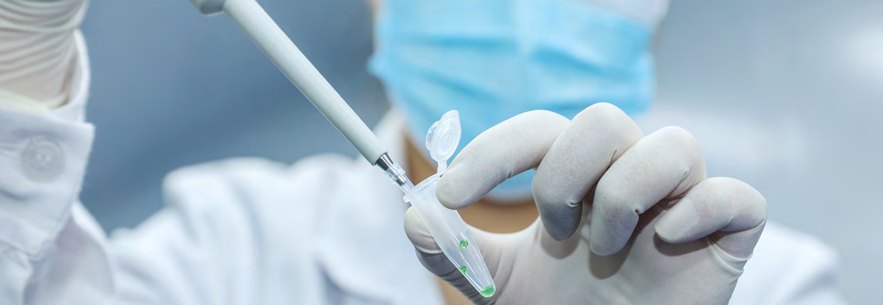
Chapter 3 · OverviewPlasmids are small, circular DNA molecules used as vectors in DNA recombination. In molecular biology, the target gene is inserted into a plasmid’s multiple cloning sites, forming a recombinant plasmid. This can enter recipient cells, undergo replication and expression, and transfer to progeny cells during host cell division. Plasmid quantity and purity may vary, which makes it important to obtain high-quality plasmids for successful experiments.
We offer research-grade and transfection-grade plasmid preparation services to satisfy different downstream applications.
images/biosynthesis/plasmid-preparation.jpgWorkflow
Research Grade
Plasmid PreparationObtain increased quantities of plasmid (default concentration 1000 ng/μL) for routine research applications.
Service Details
| Volume | Turnaround time (calendar days)* | Deliverables |
|---|---|---|
| 100 μg | 5 | Prepared lyophilized plasmid DNA; Sequencing map (.ab1 file); COA Report (electronic). |
| 200 μg | 6 | |
| 500 μg | 8 | |
| 1 mg | 8 | |
| 2 mg | 9 | |
| 3 mg | 10 | |
| 4 mg | 11 | |
| 5 mg | 12 | |
| 10 mg | 15 | |
| 20 mg | 16 | |
| 50 mg | 17 | |
| 100 mg | 21 |
Quality Control
| Items | Method | Specifications |
|---|---|---|
| Appearance | Visual inspection | Colorless liquid of pure transparency |
| A260/280 ratio | UV absorbance | 1.8–2.0 |
| Supercoil content | Agarose gel electrophoresis | > 50% |
| Concentration | UV absorbance | 90%–110% |
| Residual DNA | Agarose gel electrophoresis | Not visible |
| Residual RNA | Agarose gel electrophoresis | Not visible |
| Restriction enzyme analysis | Agarose gel electrophoresis | Adjustable according to requirement |
| Sequence verification | Sanger sequencing | Consistent with the confirmed plasmid sequence |
Transfection Grade
Plasmid PreparationEndotoxin is removed and the supercoil ratio is increased to achieve highly efficient cell transfection.
Service Details
| Endotoxin | Volume | Turnaround time (calendar days)* | Deliverables |
|---|---|---|---|
| < 0.1 EU/μg < 0.01 EU/μg < 0.005 EU/μg | 100 μg | 5 | Prepared lyophilized plasmid DNA; Sequencing map (.ab1 file); COA Report (electronic). |
| 200 μg | 6 | ||
| 500 μg | 8 | ||
| 1 mg | 8 | ||
| 2 mg | 9 | ||
| 3 mg | 10 | ||
| 4 mg | 11 | ||
| 5 mg | 12 | ||
| 10 mg | 15 | ||
| 20 mg | 17 | ||
| 50 mg | 19 | ||
| 100 mg | 22 |
Quality Control
| Items | Method | Specifications |
|---|---|---|
| Appearance | Visual inspection | Colorless liquid of pure transparency |
| A260/280 ratio | UV absorbance | 1.8–2.0 |
| Supercoil content | Agarose gel electrophoresis | > 85% |
| Concentration | UV absorbance | 90%–110% |
| Residual DNA | Agarose gel electrophoresis | Not visible |
| Residual RNA | Agarose gel electrophoresis | Not visible |
| Restriction enzyme analysis | Agarose gel electrophoresis | Adjustable according to requirement |
| Sequence verification | Sanger sequencing | Consistent with the confirmed plasmid sequence |
| Endotoxin | Limulus amebocyte lysate (LAL) test | Endotoxin ≤ standard |
| Exogenous contamination detection | NGS (depth > 30×) | Genomic DNA < 1% Other DNA contamination < 0.1% |
Resource Center
Chapter 4 – codon optimization tools and publications that cite our gene synthesis service.
Codon Optimization
Chapter 4 · Resource CenterDrawing on diverse backgrounds in life science and computer science, we have developed a sequence deep-optimization technology based on a genetic and evolutionary algorithm, also known as codon optimization, which optimizes gene sequences extensively without altering the protein-coding properties. Through specific algorithms, it adjusts around 200 factors affecting gene synthesis and protein expression, such as overall GC content and special structures in the gene sequence.
This optimization aims to achieve Pareto optimality, enhancing gene expression while keeping other factors unaffected. The algorithm is currently adaptable to various hosts, providing personalized adaptations for each. Gene sequences optimized through our codon optimization significantly reduce synthesis difficulty and markedly improve subsequent protein expression levels.

images/biosynthesis/codon-optimization-dna.jpgHost adaptation
Optimization parameters
Case studies
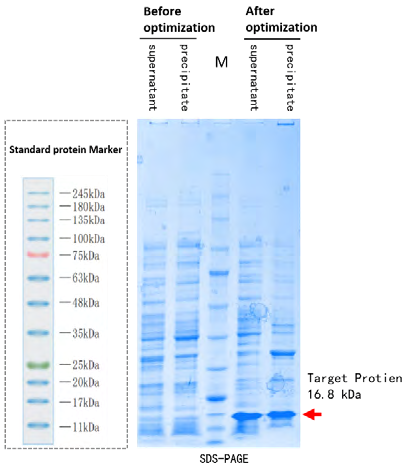
(1) Enhanced protein expression after codon optimization
The target protein (16.8 kDa) was not expressed before codon optimization, but was highly expressed after codon optimization.
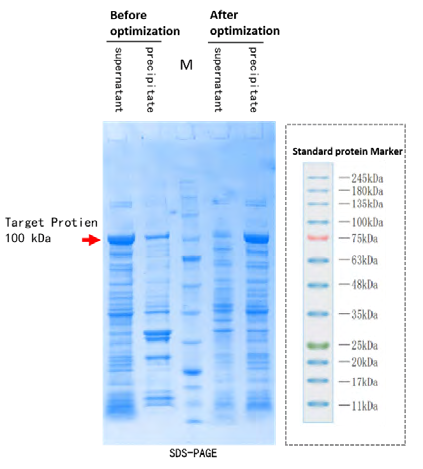
(2) Codon optimization enhances soluble protein expression
The target protein (100 kDa) was expressed in inclusion bodies before codon optimization, and the supernatant fraction was 75% soluble after codon optimization.
Citation
Chapter 4 · Resource CenterOur gene synthesis service has been cited in numerous journals such as Nature, Cell, Science and others, totaling thousands of citations.
Below are some publications from customers who have placed gene synthesis service orders.
Selected publications
| No. | Journal | Impact factor | Title | DOI |
|---|---|---|---|---|
| 1 | Nature Biotechnology | 68.164 | Strand-selective base editing of human mitochondrial DNA using mitoBEs | 10.1038/s41587-023-01791-y |
| 2 | Science | 56.9 | Structure of the human PKD1-PKD2 complex | 10.1126/science.aat9819 |
| 3 | Science | 56.9 | Enhancing rice panicle branching and grain yield through tissue-specific brassinosteroid inhibition | 10.1126/science.adk8838 |
| 4 | Mol Cancer | 41.44 | A novel polypeptide encoded by the circular RNA ZKSCAN1 suppresses HCC via degradation of mTOR | 10.1186/s12943-023-01719-9 |
| 5 | Circulation | 39.9 | Cannabinoid Receptor 2-Centric Molecular Feedback Loop Drives Necroptosis in Diabetic Heart Injuries | 10.1161/CIRCULATIONAHA.122.059304 |
| 6 | Journal of Infection | 38.637 | MAMDC2, a gene highly expressed in microglia in experimental models of Alzheimer’s Disease, positively regulates the innate antiviral response during neurotropic virus infection | 10.1016/j.jinf.2021.12.004 |
| 7 | Signal Transduction and Targeted Therapy | 38.1196 | UBQLN1 mediates sorafenib resistance through regulating mitochondrial biogenesis and ROS homeostasis by targeting PGC1β in hepatocellular carcinoma | 10.1038/s41392-021-00594-4 |
| 8 | Signal Transduction and Targeted Therapy | 38.1196 | O-GlcNAcylation of YTHDF2 promotes HBV-related hepatocellular carcinoma progression in an N6-methyladenosine-dependent manner | 10.1038/s41392-023-01316-8 |
| 9 | Signal Transduction and Targeted Therapy | 38.1196 | Excessive branched-chain amino acid accumulation restricts mesenchymal stem cell-based therapy efficacy in myocardial infarction | 10.1038/s41587-023-01791-y |
| 10 | Signal Transduction and Targeted Therapy | 38.1196 | Targeting carnitine palmitoyl transferase 1A (CPT1A) induces ferroptosis and synergizes with immunotherapy in lung cancer | 10.1126/science.aat9819 |